
A STUNNING ECO-FRIENDLY OUTDOOR SPACE
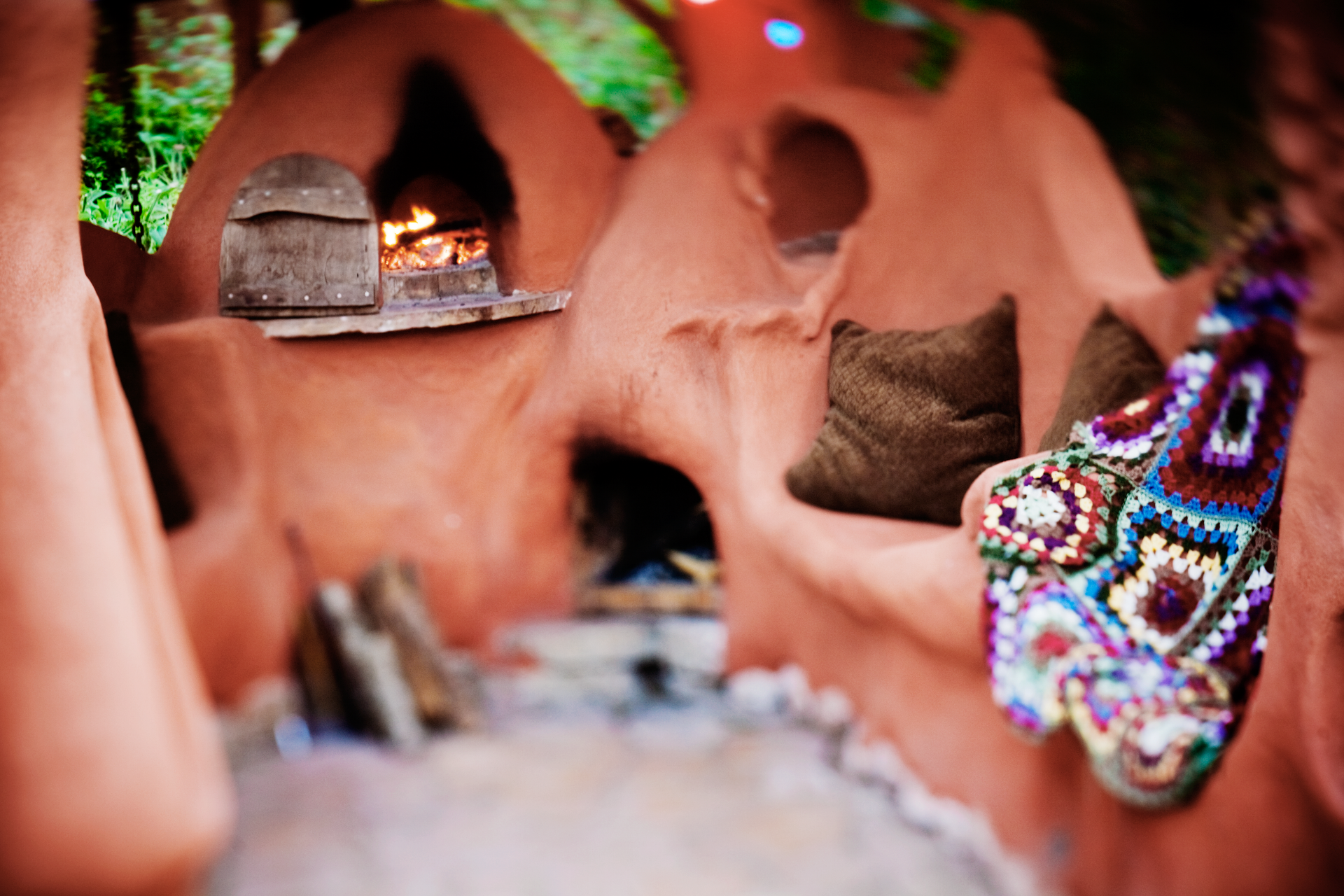
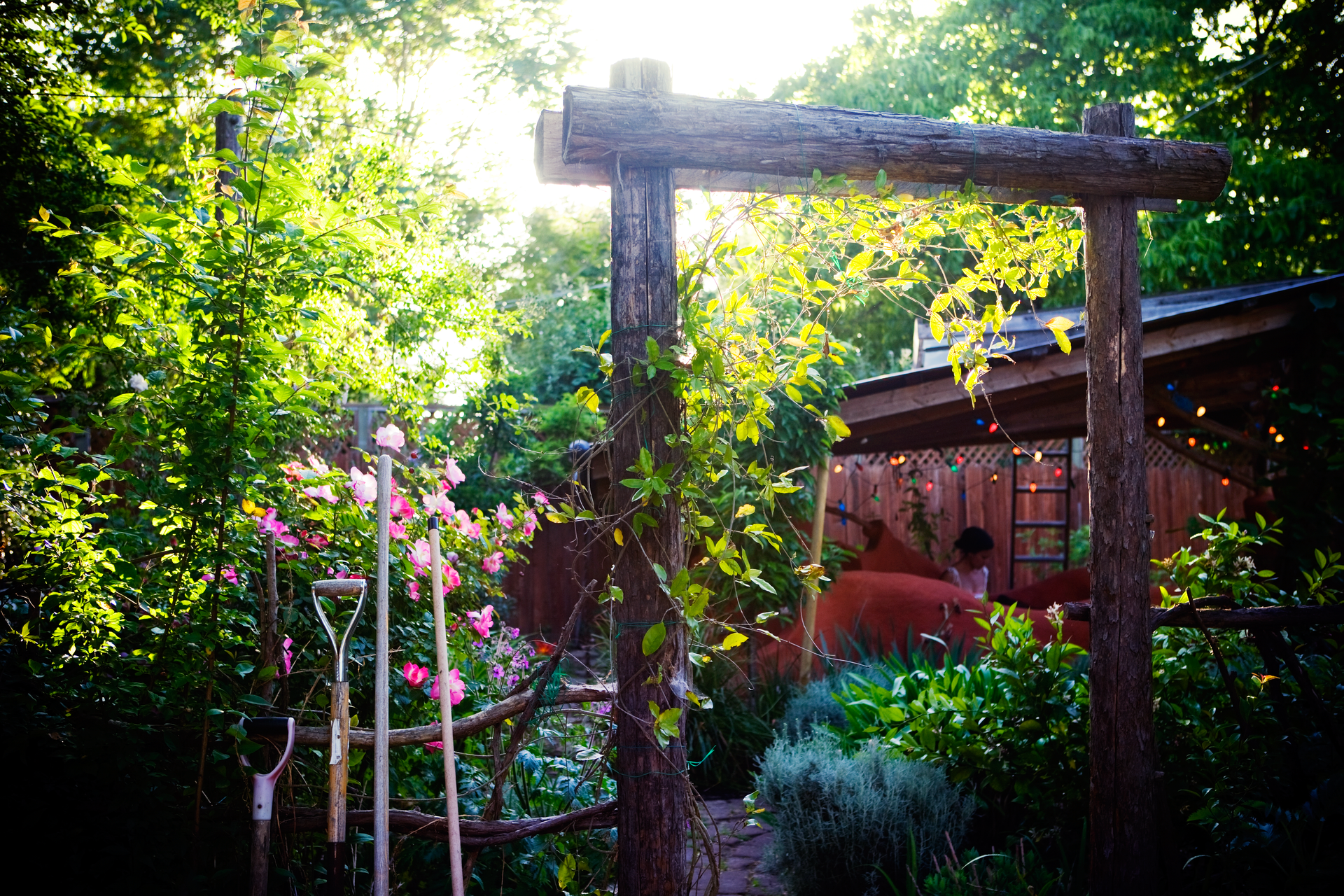
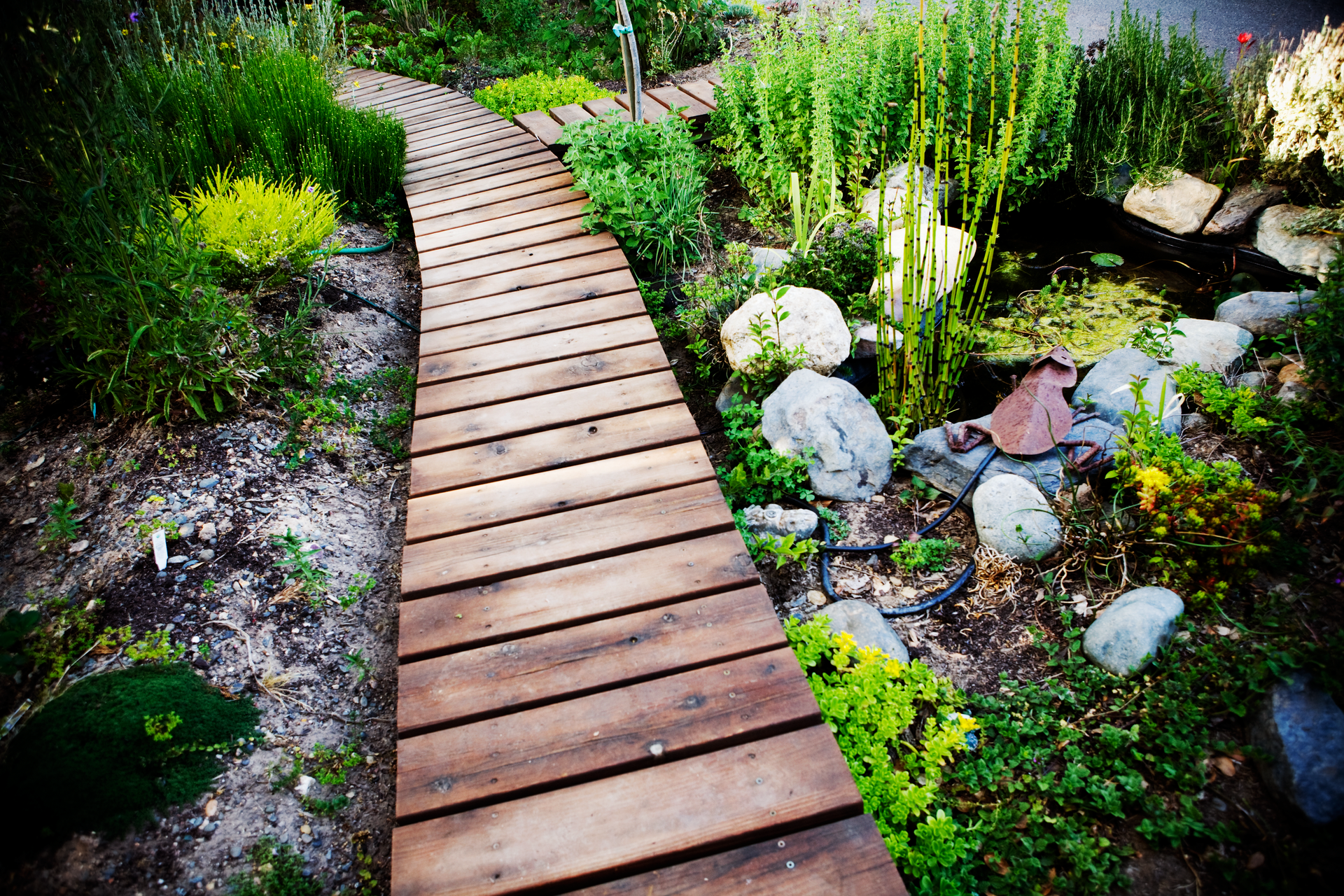
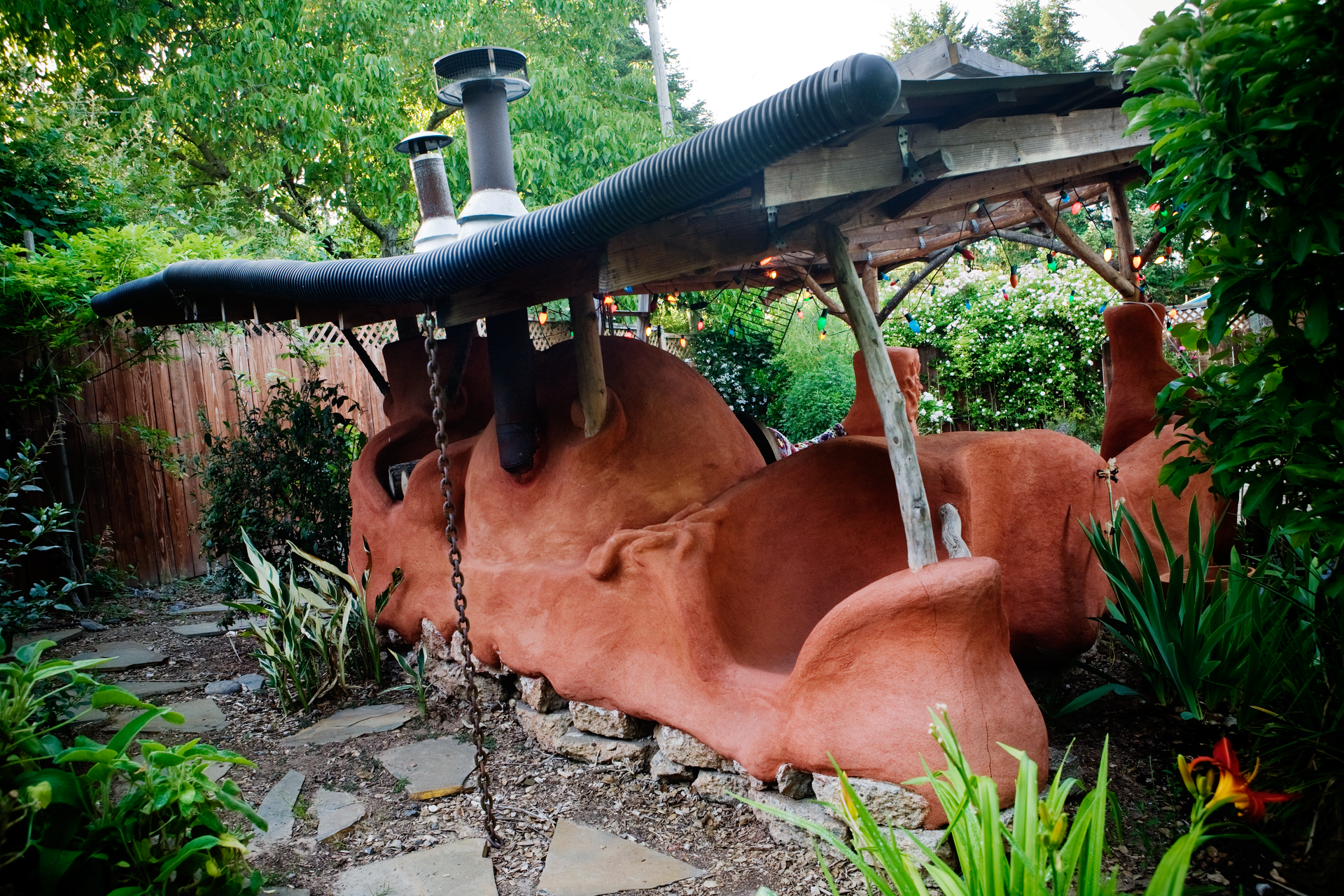
By designing a personalized COB (earth-based) structure using locally sourced, sustainable materials and eco-friendly construction techniques, we created a harmonious gathering space that merges seamlessly with the natural landscape.
The result is a multifunctional outdoor area with seating, cooking, and dining spaces perfect for enjoying unforgettable moments with friends and family. The custom design combines comfort and natural elements to create a warm, inviting aesthetic that supports the client's lifestyle and values. Book a Harmonious Living Consultation today to create a purposeful, harmonious design that inspires connection and expresses who you are.
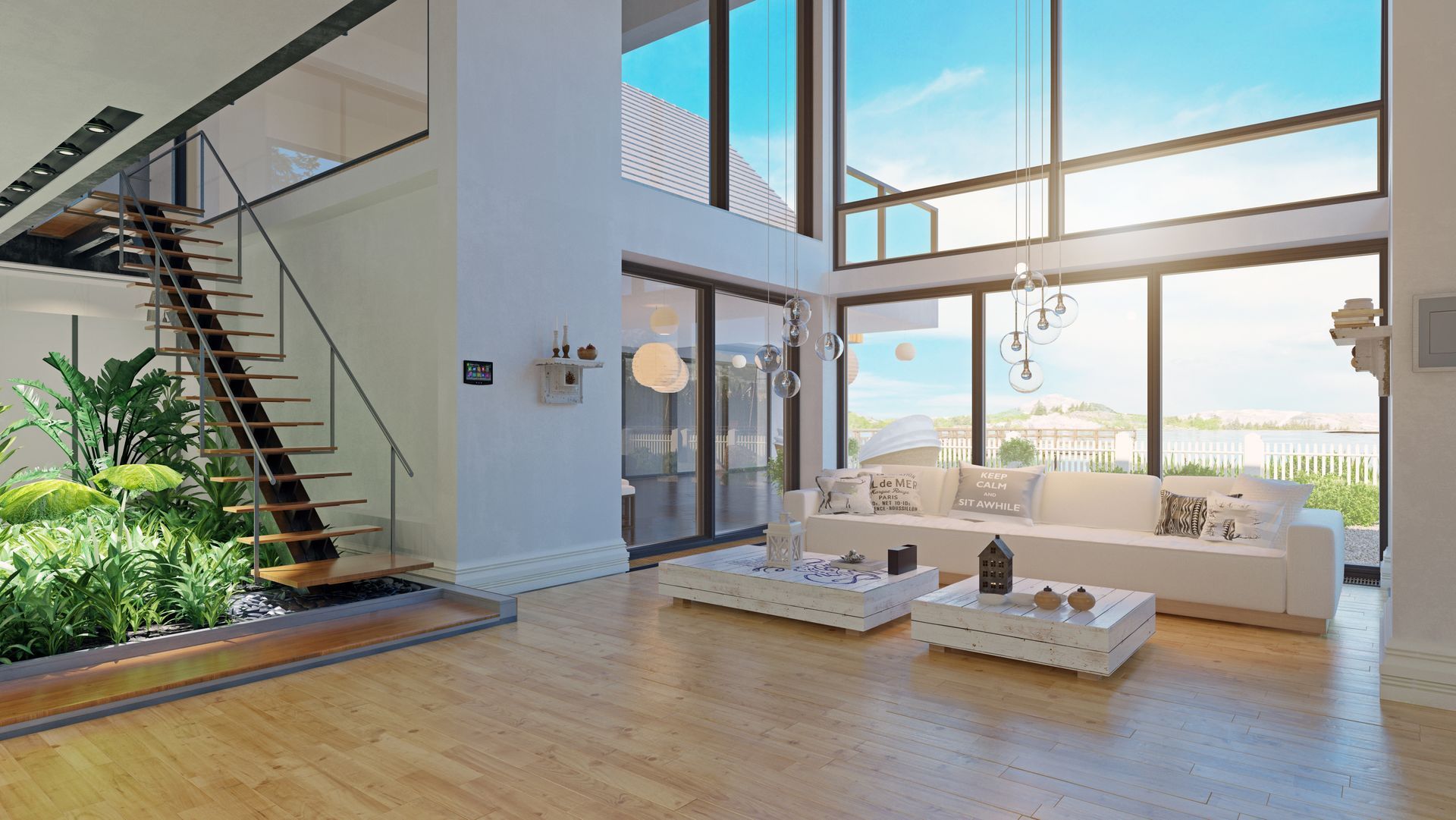
When people ask me about biophilic design trends, I always pause before answering. Because here's what the design magazines won't tell you: the most meaningful biophilic design isn't about following trends; it's about honoring the unique relationship between your space and the natural world around it. A home in coastal California shouldn't look or feel like a home in the Pacific Northwest. Not because of aesthetic preferences, but because each region has its own climate, its own native plants, its own quality of light, its own relationship with water and seasons. As a biophilic design specialist serving clients throughout California and Washington State, I've witnessed how place-based design creates deeper wellness, more authentic beauty, and homes that feel genuinely rooted rather than imported from a design blog. Let's explore how biophilic interior design is evolving in these two distinct regions and why location matters more than you might think. Why Regional Biophilic Design Matters Before we dive into specific trends, let's talk about why regional differentiation matters in biophilic design. Biophilia isn't generic. Your body doesn't respond to "nature" as an abstract concept; it responds to your nature. The plants, materials, light quality, and seasonal patterns you evolved alongside. When design honors these regional characteristics, something profound happens: your nervous system recognizes home. I've worked with clients who moved from the East Coast to California or from Southern California to Seattle, bringing their previous home's design sensibility with them. Despite investing in beautiful furnishings and careful renovations, something always felt off. The disconnect wasn't aesthetic. It was biological. Their bodies were responding to environments that didn't match the climate, light, and natural rhythms outside their windows. Once we redesigned with regional biophilic principles, the shift was immediate: "It finally feels like I belong here."
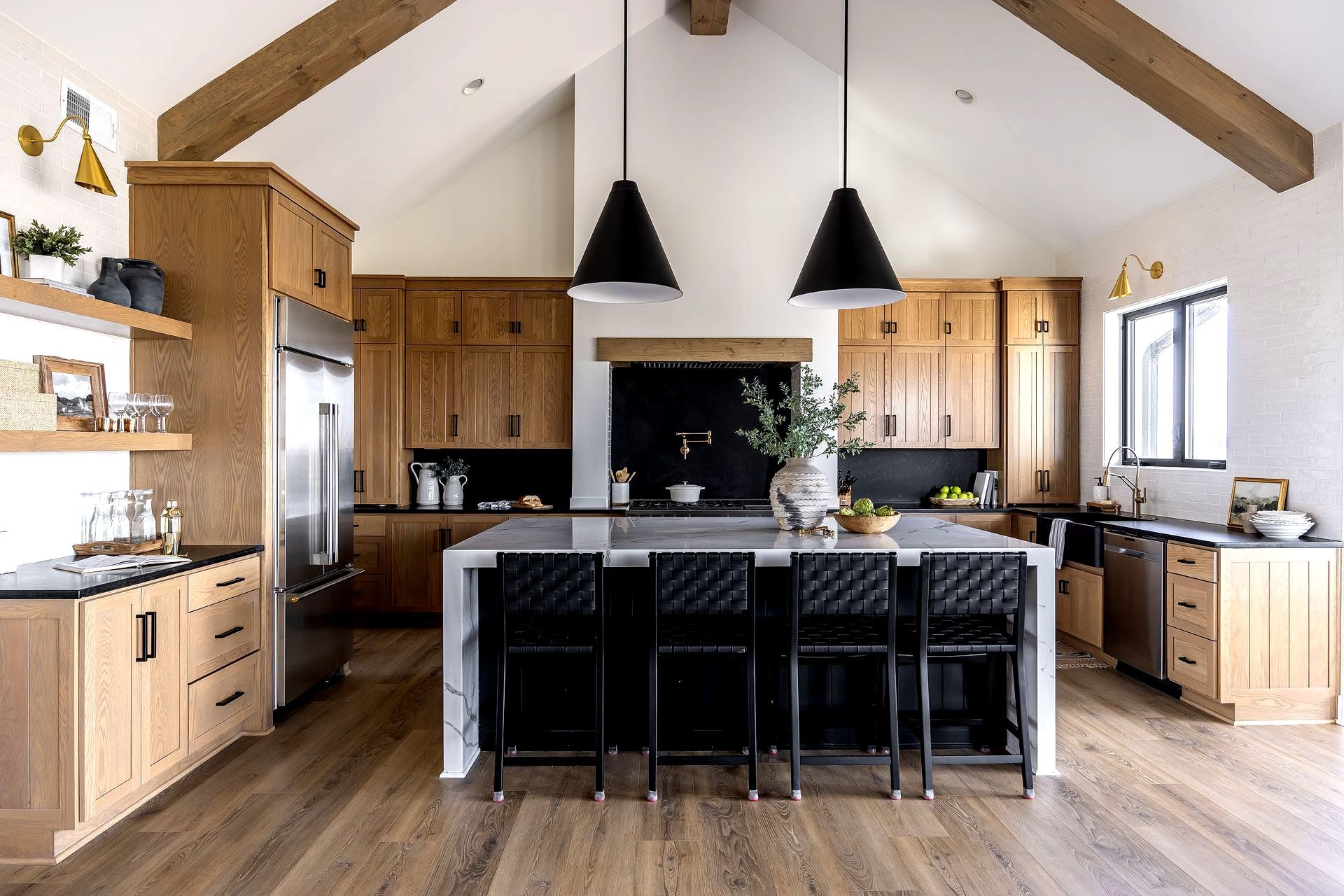
Your home should be your sanctuary; a place where stress melts away, sleep comes easily, and you feel genuinely at peace. Yet for many people, home feels like just another box they retreat to at the end of the day, offering little more than shelter. The difference between a house that merely shelters and a home that truly nourishes comes down to one critical factor: your environment's relationship with nature . As a biophilic design specialist serving clients throughout California and the Pacific Northwest, I've witnessed firsthand how intentionally integrating natural elements into residential spaces creates profound shifts in wellbeing. This isn't about aesthetics or following design trends; it's about understanding the biological needs your body has been communicating all along. The Wellness Crisis Hiding in Plain Sight We spend approximately 90% of our lives indoors. Let that sink in for a moment. Our ancestors lived in constant connection with the natural world; sunrise and sunset dictated their rhythms, natural materials surrounded them, and fresh air circulated freely. Their nervous systems evolved in harmony with these natural patterns. Fast forward to modern life, and we've constructed environments that actively work against our biology: Artificial lighting that confuses our circadian rhythms Synthetic materials that off-gas chemicals into our air Sealed buildings that trap pollutants and stale air Spaces completely disconnected from natural views or elements Indoor environments that bear no relationship to the seasons or time of day The result? Chronic stress, disrupted sleep, weakened immune function, difficulty focusing, and a pervasive sense of disconnection that we can't quite name. This is where biophilic design becomes not just beneficial, but essential.
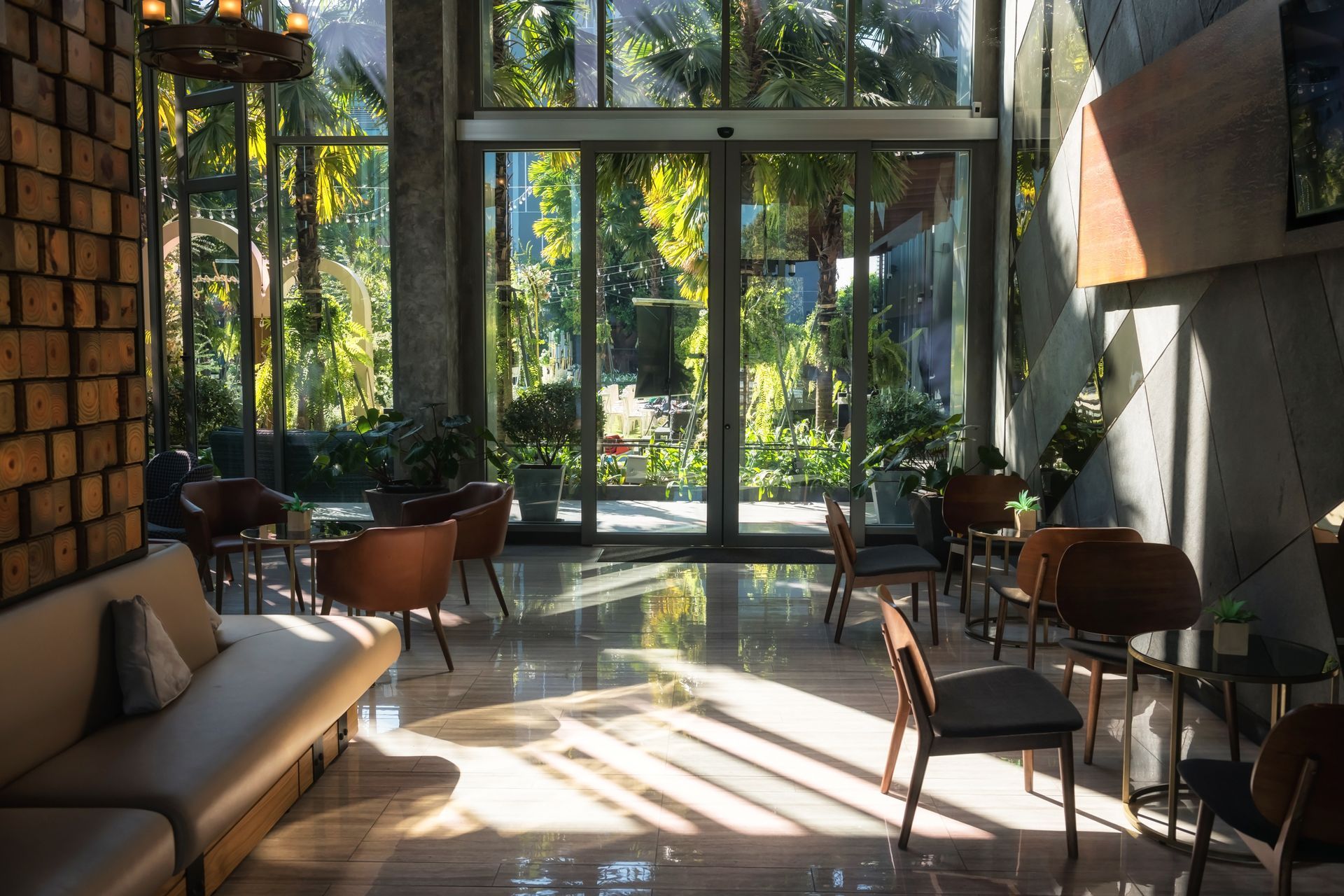
There's a reason you feel more at ease walking through a forest than sitting in a windowless office. A reason why natural light streaming into your living room shifts your entire mood. A reason why the sound of water or the sight of greenery makes a space feel more alive. That reason is biophilia; our innate, biological connection to the natural world. And when we apply this understanding intentionally to the spaces where we live and work, we create something transformative: biophilic design. What Is Biophilic Design? Biophilic design is the practice of connecting people and nature within built environments. The term "biophilia" literally means "love of life," and biophilic design recognizes that humans have an instinctive bond with the natural world, one that has evolved over thousands of years. But here's what biophilic design is not : it's not simply adding a few houseplants to a room and calling it a day. True biophilic design is a comprehensive, intentional approach. It incorporates: Natural light and views of nature Organic materials like wood, stone, and natural textiles Natural patterns and textures Sensory experiences: the sound of water, the feel of natural surfaces Seamless transitions between indoor and outdoor spaces Circadian lighting that honors our natural rhythms At ENO Design, we merge these natural elements with balanced luxury to weave a story of serenity and vitality throughout your home or workplace. It's not about aesthetics alone; it's about creating living environments that actively support your health, happiness, and connection to the world around you.
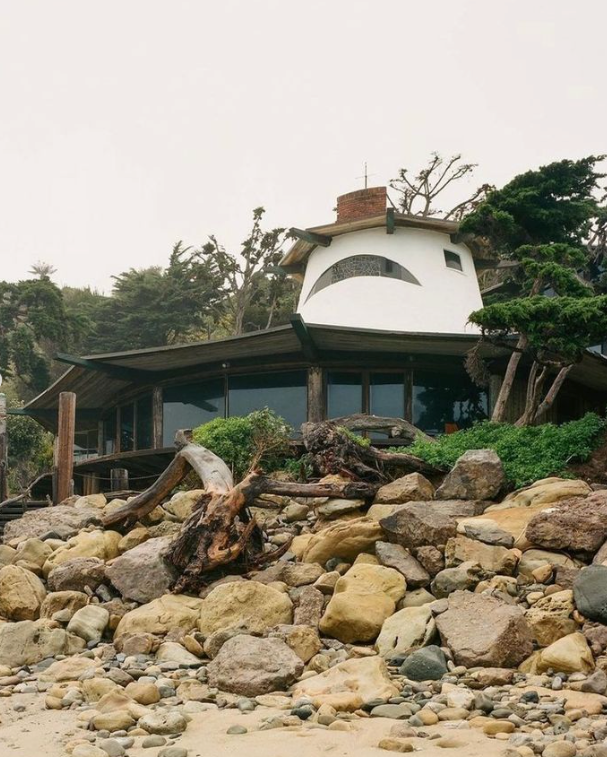
Discover how our design team helped clients blend luxury and comfort to create a stylish, inviting home that effortlessly flows from indoor to outdoor living. By incorporating local eco-friendly materials and biophilic design principles, we developed a comprehensive plan that resulted in an aesthetically cohesive and functionally beautiful space. The key to enhancing well-being and quality of life is a home that reflects your lifestyle and values. Are you ready to transform your home into a naturally beautiful, intentional space? Book a Harmonious Living Consultation today to begin your journey towards a sustainable sanctuary that expresses your unique vision.
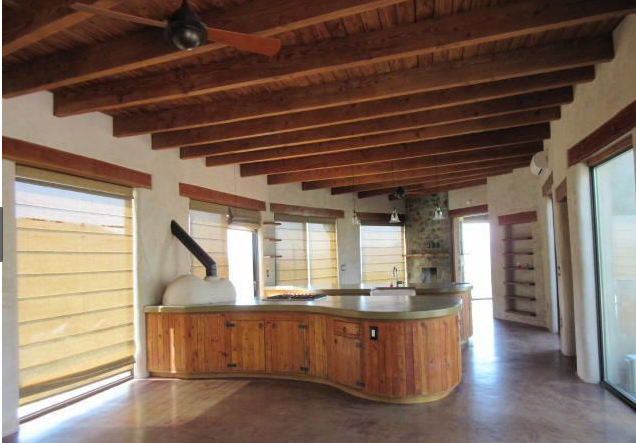
The result of this project is a sustainable sanctuary that capitalizes on the abundant sunshine and breathtaking scenery at the foot of San Cayetano Mountain. With a seamless indoor-outdoor living experience, their reimagined home supports their overall well-being while exuding a timeless style and elegance.