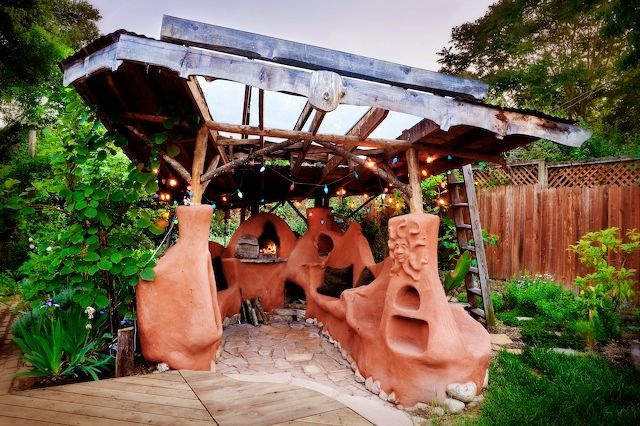
When people ask me about biophilic design trends, I always pause before answering. Because here's what the design magazines won't tell you: the most meaningful biophilic design isn't about following trends; it's about honoring the unique relationship between your space and the natural world around it.
A home in coastal California shouldn't look or feel like a home in the Pacific Northwest. Not because of aesthetic preferences, but because each region has its own climate, its own native plants, its own quality of light, its own relationship with water and seasons.
As a biophilic design specialist serving clients throughout California and Washington State, I've witnessed how place-based design creates deeper wellness, more authentic beauty, and homes that feel genuinely rooted rather than imported from a design blog.
Let's explore how biophilic interior design is evolving in these two distinct regions and why location matters more than you might think.
Why Regional Biophilic Design Matters
Before we dive into specific trends, let's talk about why regional differentiation matters in biophilic design.
Biophilia isn't generic. Your body doesn't respond to "nature" as an abstract concept; it responds to your nature. The plants, materials, light quality, and seasonal patterns you evolved alongside. When design honors these regional characteristics, something profound happens: your nervous system recognizes home.
I've worked with clients who moved from the East Coast to California or from Southern California to Seattle, bringing their previous home's design sensibility with them. Despite investing in beautiful furnishings and careful renovations, something always felt off. The disconnect wasn't aesthetic. It was biological.
Their bodies were responding to environments that didn't match the climate, light, and natural rhythms outside their windows. Once we redesigned with regional biophilic principles, the shift was immediate: "It finally feels like I belong here."
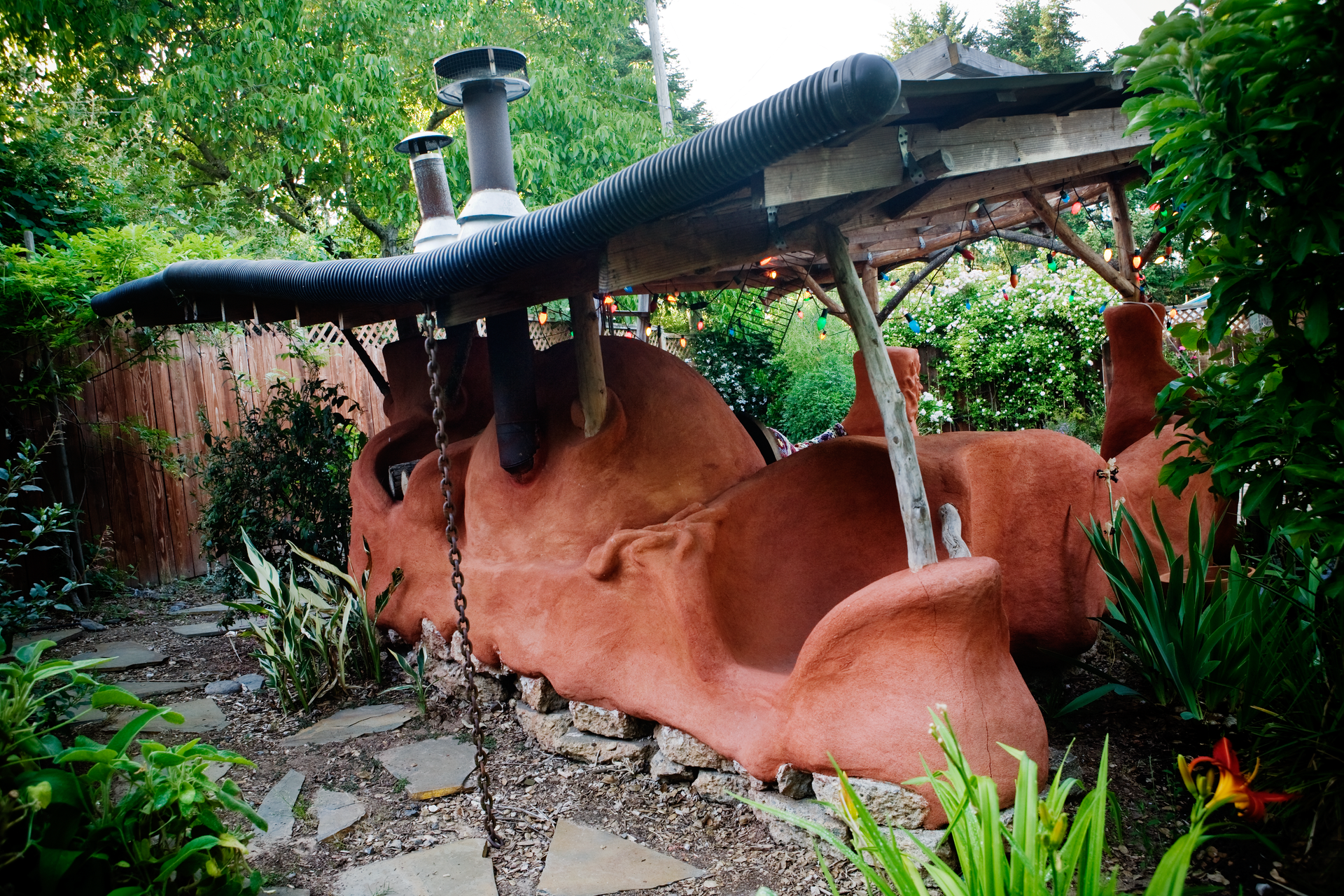
California Biophilic Interior Design Trends
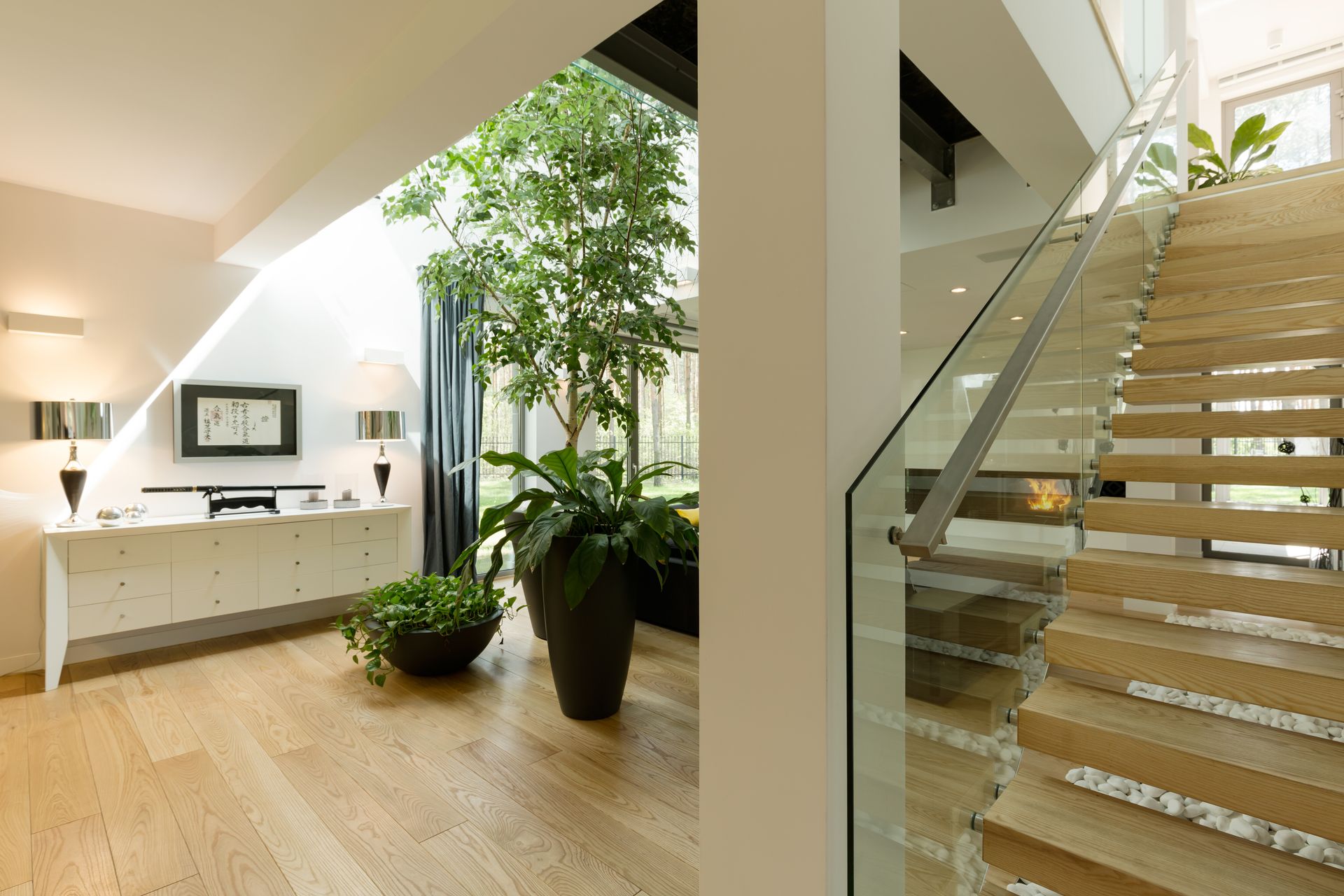
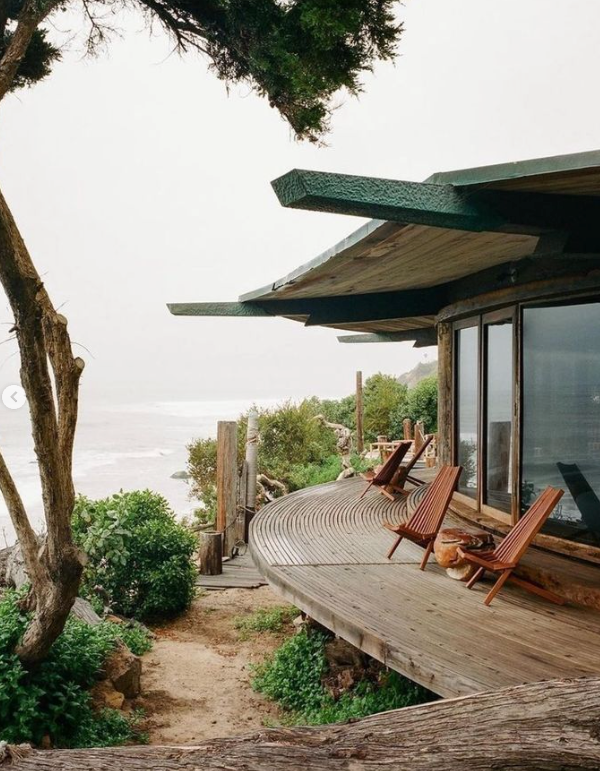
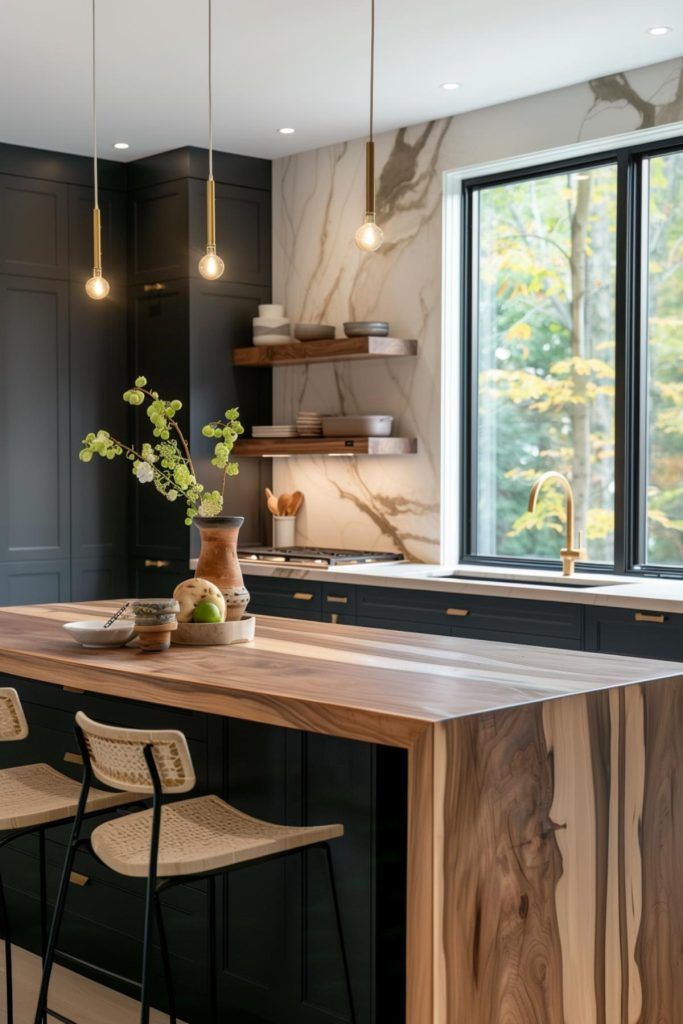
California's diverse microclimates, from coastal fog to desert heat to mountain elevation, create varied approaches to biophilic design. But certain themes emerge across the state that reflect California's unique relationship with nature.
Indoor-Outdoor Integration: Beyond Sliding Doors
The most significant trend in California biophilic design isn't new; it's the deepening sophistication of how we dissolve boundaries between inside and out.
This goes far beyond large sliding doors (though those remain essential). Current California projects embrace:
Transitional rooms that function equally well with walls open or closed: covered outdoor living rooms with the same level of finish, lighting, and comfort as interior spaces. These aren't patios with furniture; they're genuine extensions of your home that happen to be sheltered rather than enclosed.
Courtyard-centered designs that bring the outdoors into the heart of your home rather than relegating it to the perimeter. Even in urban settings, interior courtyards create a protected nature connection visible from multiple rooms.
Material continuity between interior and exterior: the same stone flowing from kitchen counters to outdoor bar tops, the same wood species on interior ceilings and exterior soffits. This visual continuity reinforces the sense that you inhabit one unified environment rather than two separate zones.
Climate-responsive flexibility that allows you to adjust your home's relationship with the outside throughout the day and seasons: operable walls, adjustable shading, and natural ventilation systems that let you moderate exposure without completely sealing yourself in.
Drought-Conscious Living Landscapes
California's water reality is reshaping biophilic design in profound ways. The trend isn't toward less greenery. It's toward a smarter, more authentic connection to California's actual ecology.
Native California plant palettes are becoming standard rather than exotic. Succulents, California sage, California poppy, manzanita, and California lilac thrive indoors with minimal water while creating a genuine connection to regional landscapes. These aren't compromise choices; they're more beautiful and more appropriate than thirsty tropical plants that struggle in California conditions.
Greywater integration that allows you to maintain lush indoor plants and visible landscaping using water from sinks, showers, and washing machines. This isn't just sustainable; it's biophilic systems thinking that connects your daily water use to living elements.
Xeriscaping visible from interior spaces that proves that drought-conscious landscaping can be lush, layered, and visually rich. The goal isn't brown minimalism; it's understanding that California's native palette offers incredible diversity when thoughtfully designed.
Light Management as Wellness Intervention
California's abundant sunshine creates both opportunity and challenge. The current trend recognizes that too much unmanaged light is as problematic as too little.
Dynamic shading systems that respond to sun angles throughout the day: motorized overhangs, smart glass that tints automatically, and deciduous plantings that provide summer shade and winter sun.
Layered lighting strategies that allow you to modulate between bright, sunny California energy and softer, more restful illumination as day transitions to evening. This supports your circadian rhythm while honoring California's spectacular natural light.
Strategic window placement in new construction and renovations that maximizes desirable light (morning east light, soft north light) while managing challenging exposures (hot afternoon west light, intense south light in summer).
Natural Materials That Stay Cool
California heat influences material choices in ways that impact both aesthetics and comfort.
Thermal mass materials like stone, concrete, and tile stay naturally cool even in warm weather. These aren't cold or industrial when thoughtfully specified: they create grounding, earth-connected interiors that regulate temperature naturally.
Breathable plasters and paints (lime-based, clay-based) that allow walls to regulate moisture and stay cooler than synthetic finishes. These materials improve indoor air quality while supporting passive cooling.
Light-colored natural woods that reflect heat rather than absorbing it: white oak, maple, and bleached teak, creating bright, airy spaces that stay comfortable without air conditioning running constantly.
Washington Biophilic Interior Design Trends
The Pacific Northwest's climate creates fundamentally different design priorities. Where California design manages abundant sun and heat, Washington design must maximize limited light while embracing the region's dramatic rainfall and lush greenery.
Light Maximization Without Glare
In a region where winter daylight is precious and often diffused, every design decision around light becomes critical.
Strategic skylight placement isn't decorative, it's essential. Current Washington projects incorporate operable skylights that bring daylight deep into floor plans while allowing moisture and heat to escape naturally.
Light-reflective natural materials throughout interiors: white oak flooring, limestone counters, and light plasters that distribute available light without creating harsh reflections. The goal is brightness without glare, maintaining the soft, diffused quality that characterizes Northwest light.
Minimized visual barriers between spaces so that light from south-facing windows can penetrate throughout the home. Open plans in Washington aren't just aesthetic choices; they're light-distribution strategies.
Mirror placement informed by light paths rather than just design symmetry. Thoughtfully positioned mirrors can effectively double your available natural light by bouncing it into darker spaces.
Moisture as Design Asset
While other regions fight moisture, Washington biophilic design embraces it as an opportunity for authentic regional connection.
Rain-visible design that celebrates precipitation rather than hiding from it: interior spaces positioned for views of rain falling on gardens, covered outdoor areas where you can experience weather while staying dry, and water features that echo the sound of Northwest rainfall.
Humidity-loving plant communities that thrive in Pacific Northwest conditions: ferns, moss walls, peace lilies, and shade-tolerant tropicals that bring forest vitality indoors while naturally regulating moisture levels.
Breathable material systems that work with moisture rather than trying to seal it out completely. Real wood, natural stone, and mineral-based plasters that can handle moisture cycles without degrading create healthier indoor environments than synthetic vapor barriers.
Cozy Refuge with Nature Connection
Washington's climate invites the creation of warm, protected spaces that maintain visual connection to the outdoors: the biophilic principle of "prospect and refuge" is perfectly suited to the region.
Window seats and reading nooks positioned for views of rain and nature. These aren't decorative; they're intentional design of cozy spaces where you feel protected while remaining connected to weather and seasons.
Layered textiles and natural warmth that create psychological and physical comfort without sealing yourself away. Wool rugs, linen drapery, and cashmere throws combine with views of rain-soaked gardens to create the perfect balance of shelter and connection.
Fireplace-centered gathering spaces with nature views, not as competing focal points, but as complementary elements. Fire inside, rain outside, and you comfortably between them.
Pacific Northwest Material Palette
Regional materials create authentic connection to the Northwest forests and mountains.
Douglas fir and Western red cedar aren't just available, they're right. These woods connect interiors to the region's forest ecology while bringing warmth to spaces that need it during gray months.
Stone from regional quarries that references the Northwest mountains and coastlines. When your counters or fireplace surround use stone from nearby geology, there's a subtle rightness your nervous system registers.
Moss and lichen elements (preserved or living) that bring the texture and character of Northwest forests indoors. These aren't trendy, they're regionally authentic.
Shared Trends: California & Washington Biophilic Design
Despite their climate differences, certain biophilic design trends are emerging across both regions, reflecting broader shifts in how we think about residential interiors.
Systems Thinking Over Single Interventions
The most sophisticated current projects don't add biophilic elements; they redesign entire systems biophilically.
Integrated water systems that connect greywater to plant irrigation, rainwater capture to landscape watering, and humidity control to living plant walls. This systems approach creates homes that function more like ecosystems than static boxes.
Whole-home circadian lighting that adjusts color temperature and intensity throughout the day to support your natural rhythms. This goes beyond smart bulbs; it's architectural lighting design informed by biology.
Natural ventilation strategies that reduce HVAC dependence while improving air quality and connection to outdoor conditions. Operable windows placed for cross-breezes, stack ventilation that uses heat rise naturally, and whole-house fans that flush stale air are replacing sealed-building approaches.
Authentic Local Materials Over Imported Exotics
There's a growing rejection of materials shipped across oceans in favor of regionally sourced, locally appropriate options.
California projects increasingly specify California walnut over imported tropical hardwoods, California limestone over Italian marble, and California-grown and milled lumber over generic building materials from unknown origins.
Washington projects prioritize Pacific Northwest timber, regional stone, and locally produced finishes that support regional economies while reducing transportation impacts and creating an authentic sense of place.
This isn't just environmental consciousness; it's recognizing that local materials create a deeper biophilic connection because they're literally made from the same geology and ecology you inhabit.
Living Systems as Infrastructure
The most forward-thinking projects integrate living systems as functional infrastructure, not just decoration.
Living walls engineered for air purification rather than just visual impact: species selection based on proven VOC removal, irrigation systems that maintain optimal growing conditions, and placement in areas where air quality improvement matters most (near home offices, in bedrooms, adjacent to attached garages).
Edible landscaping visible and accessible from kitchens: herb gardens, citrus trees (in California), berry bushes that serve both visual and functional purposes. This creates daily interaction with living systems rather than passive observation.
Biodiverse plant communities that support local pollinators and birds visible from interior spaces. This isn't landscaping; it's inviting local ecology to thrive on your property, creating a living connection to regional ecosystems.
The Anti-Trend: Designing Against Instagram
Here's the most important trend in both California and Washington biophilic design: the growing rejection of social media-driven design in favor of regionally appropriate, wellness-focused spaces.
Too many homeowners have invested in spaces that photograph beautifully but feel wrong to inhabit: fiddle-leaf figs struggling in low light because they look good on Instagram, all-white interiors that create glare and disconnection, trendy materials that off-gas chemicals or fail in regional climates.
The current shift prioritizes:
Function over photography – Spaces designed for how you actually live, not how they appear in a single styled shot.
Regional appropriateness over trend-following – Materials and plants that thrive in your actual conditions rather than struggle because they're currently popular.
Long-term wellbeing over immediate impact – Design decisions informed by how spaces will support your health over the years, not how they'll look in your first house tour.
Authentic connection over aesthetic reference – Real plants over faux greenery, actual natural materials over photo-realistic laminates, genuine connection to your region's ecology over generic "natural" styling.
Climate-Responsive Design as Standard Practice
Both California and Washington are experiencing climate shifts that make responsive, adaptable design essential rather than optional.
California considerations:
- Increasing wildfire smoke requires better indoor air filtration and plant selection for air purification
- Extended drought periods demand more drought-tolerant landscapes and greywater systems
- Heat waves make passive cooling through natural ventilation and thermal mass materials critical
- Water restrictions influence plant selection and irrigation approaches
Washington considerations:
- Warmer, drier summers require previously unnecessary cooling strategies
- Changing rainfall patterns influence moisture management and drainage design
- Earlier springs and later autumns extend the outdoor season, increasing the value of transitional spaces
- Urban heat island effects make natural cooling strategies important even in traditionally cool climates
The trend isn't toward designing for a static climate but creating adaptable systems that can respond to changing conditions while maintaining biophilic connection.
Working with Regional Biophilic Design Specialists
Here's what many homeowners don't realize: effective regional biophilic design requires specific local knowledge that generic interior designers may not possess.
California-specific expertise includes:
- Understanding microclimates within regions (coastal fog belt vs. inland valleys vs. mountain elevations)
- Knowledge of California native plants and their indoor cultivation requirements
- Experience with drought-conscious water systems and greywater integration
- Understanding of solar angles and heat management throughout the year
- Familiarity with California building codes and Title 24 energy requirements
Washington-specific expertise includes:
- Strategies for maximizing limited winter daylight
- Understanding of moisture management in humid climates
- Knowledge of Pacific Northwest native plants and regional ecosystems
- Experience designing for dramatic seasonal shifts
- Understanding of Washington energy codes and climate-responsive building practices
At ENO Design, we've developed deep regional expertise through years of working in both California and Washington climates. We understand not just biophilic design principles, but how those principles must adapt to your specific regional reality.
The Future of Regional Biophilic Design
Looking forward, several emerging directions are shaping California and Washington biophilic design:
Hyper-local customization – Moving beyond state-level regional design to neighborhood-specific, even property-specific approaches that respond to immediate microclimate and ecology.
Indigenous plant knowledge integration – Learning from Native American plant use and landscape management to inform more authentic, regionally appropriate design.
Climate adaptation as a design opportunity – Viewing changing climate not as a problem to solve but as an invitation to innovate new regional design approaches.
Technology supporting biology – Smart home systems that support circadian rhythms, air quality monitoring that informs plant placement and ventilation, and climate-responsive shading that adapts automatically to conditions.
Begin Your Regional Biophilic Design Journey
Whether you're in sun-drenched California or the verdant Pacific Northwest, your home deserves design that honors the unique beauty and biological wisdom of your region.
The most successful projects don't fight against regional climate; they embrace it, finding opportunities within constraints and celebrating what makes each place distinctive.
Are you ready to create a home that feels authentically rooted in its place?
At ENO Design, we specialize in regionally appropriate biophilic interior design throughout California and Washington State. Our approach begins with understanding your specific location—its microclimate, native ecology, seasonal patterns, and unique opportunities for nature connection.
Book a consultation to explore how place-based biophilic design can transform your home into a space that honors both your needs and your region's natural character.
Want to learn more first? Download our free Biophilic Home Design Starter Guide which includes detailed regional considerations for both California and Washington climates.
Let's create spaces that don't just reference nature. They embody the specific, beautiful, irreplaceable nature of exactly where you live.
ENO Design is a woman-owned biophilic interior design firm based in Seattle, Washington, serving residential and commercial clients throughout California and Washington State. Led by founder and CEO Elba Ocasio, we specialize in regionally appropriate, wellness-focused design that honors the unique relationship between your space and its surrounding ecology. Our work integrates biophilic design principles with deep understanding of California and Pacific Northwest climates, creating sophisticated interiors that support both human wellbeing and environmental responsibility.