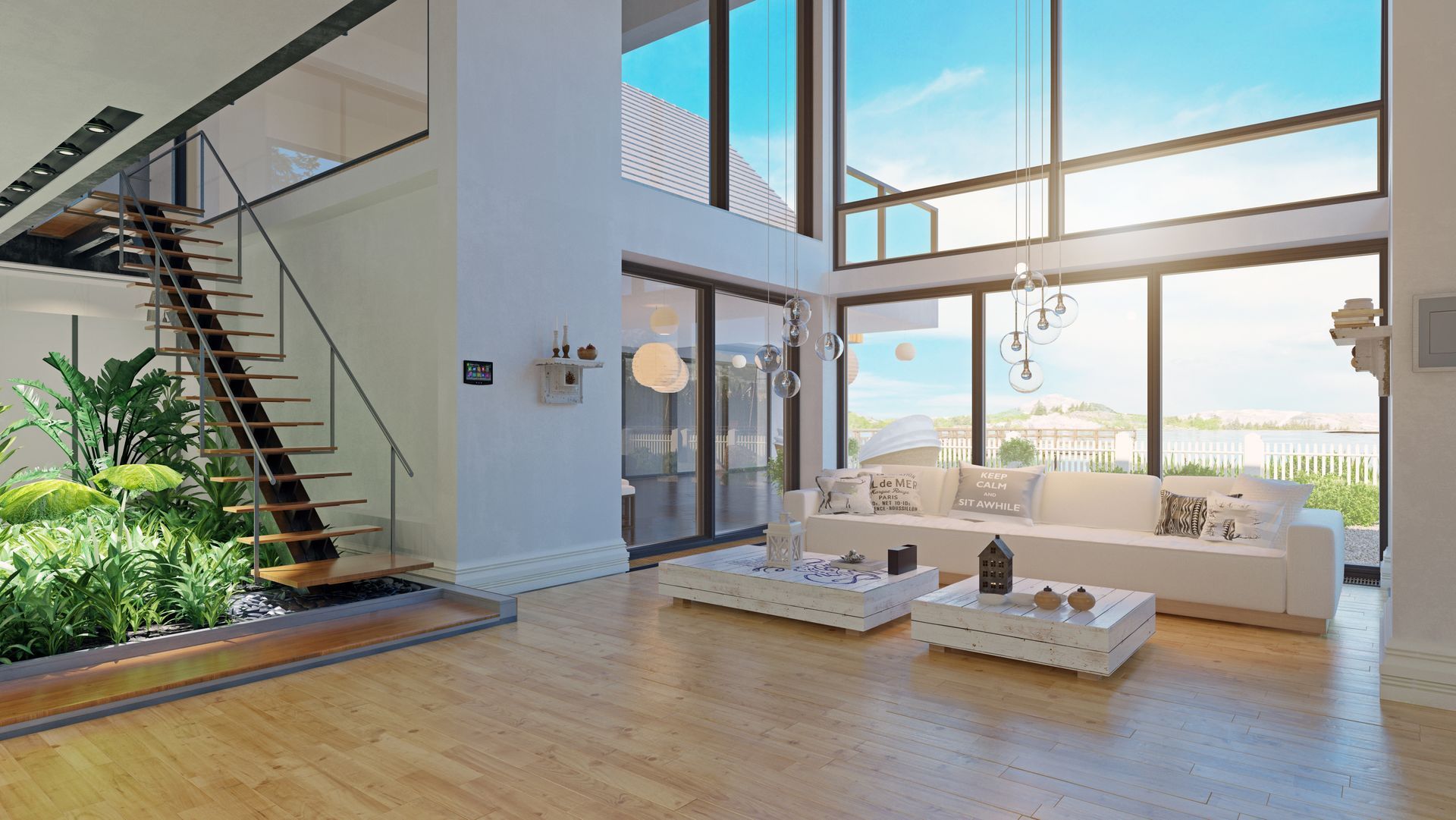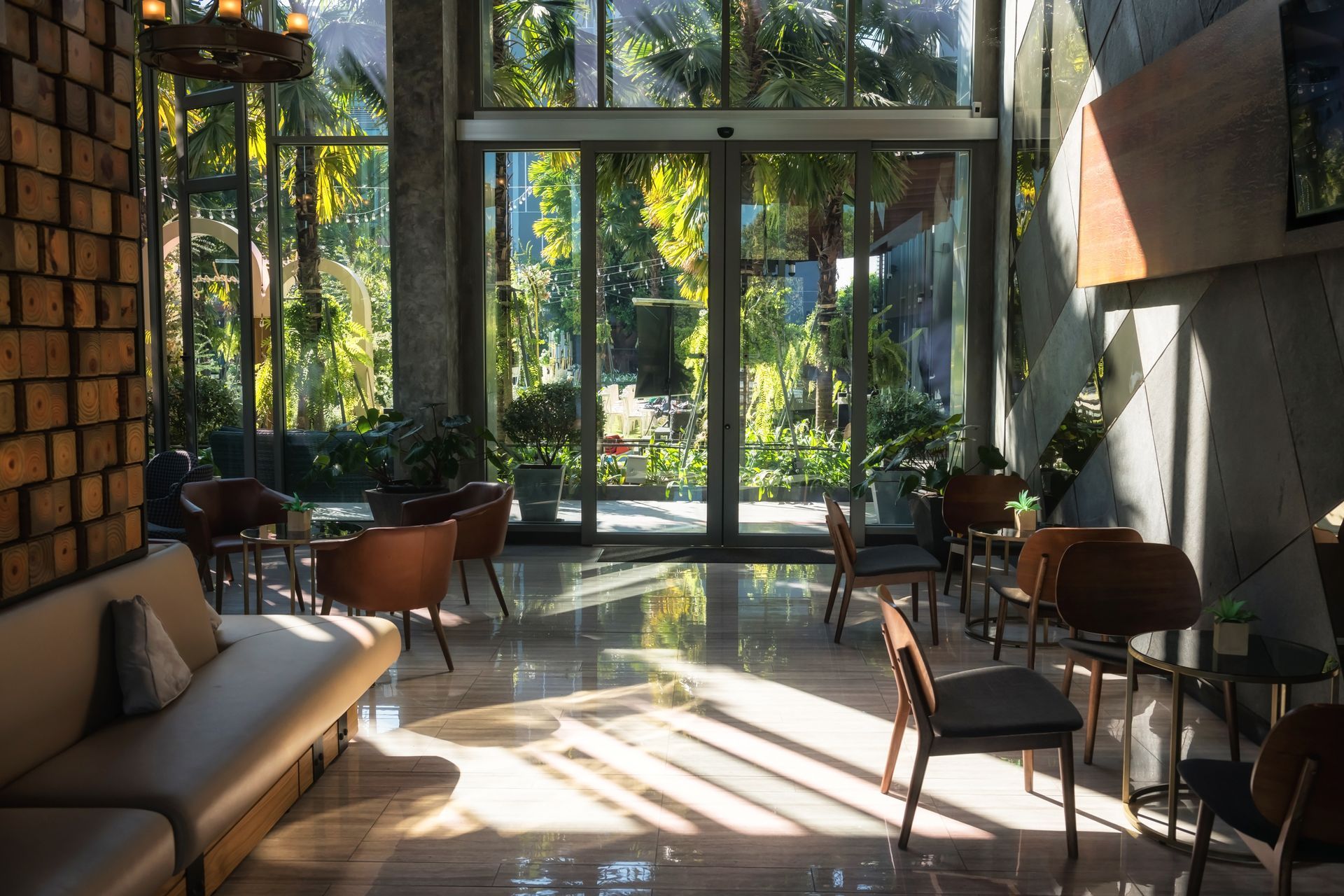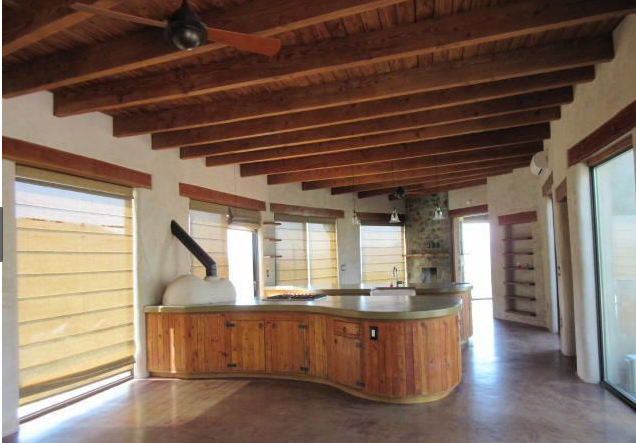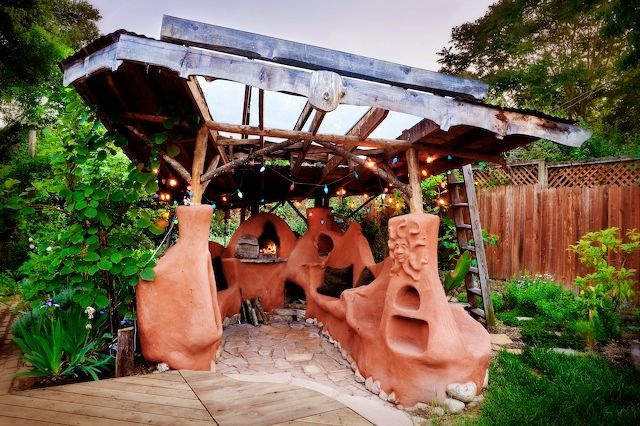
Your home should be your sanctuary; a place where stress melts away, sleep comes easily, and you feel genuinely at peace. Yet for many people, home feels like just another box they retreat to at the end of the day, offering little more than shelter.
The difference between a house that merely shelters and a home that truly nourishes comes down to one critical factor: your environment's relationship with nature.
As a biophilic design specialist serving clients throughout California and the Pacific Northwest, I've witnessed firsthand how intentionally integrating natural elements into residential spaces creates profound shifts in wellbeing. This isn't about aesthetics or following design trends; it's about understanding the biological needs your body has been communicating all along.
The Wellness Crisis Hiding in Plain Sight
We spend approximately 90% of our lives indoors. Let that sink in for a moment.
Our ancestors lived in constant connection with the natural world; sunrise and sunset dictated their rhythms, natural materials surrounded them, and fresh air circulated freely. Their nervous systems evolved in harmony with these natural patterns.
Fast forward to modern life, and we've constructed environments that actively work against our biology:
- Artificial lighting that confuses our circadian rhythms
- Synthetic materials that off-gas chemicals into our air
- Sealed buildings that trap pollutants and stale air
- Spaces completely disconnected from natural views or elements
- Indoor environments that bear no relationship to the seasons or time of day
The result? Chronic stress, disrupted sleep, weakened immune function, difficulty focusing, and a pervasive sense of disconnection that we can't quite name.
This is where biophilic design becomes not just beneficial, but essential.
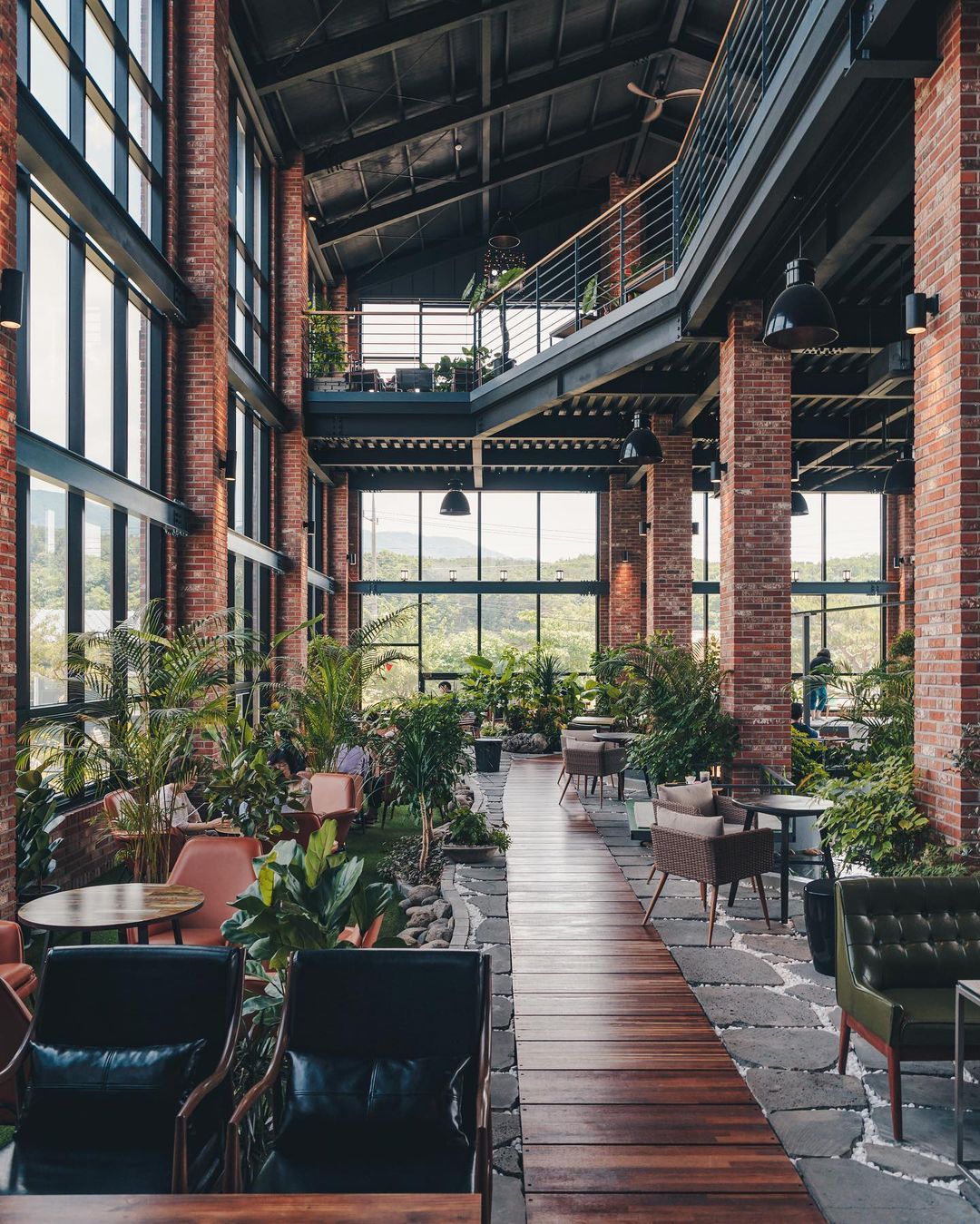

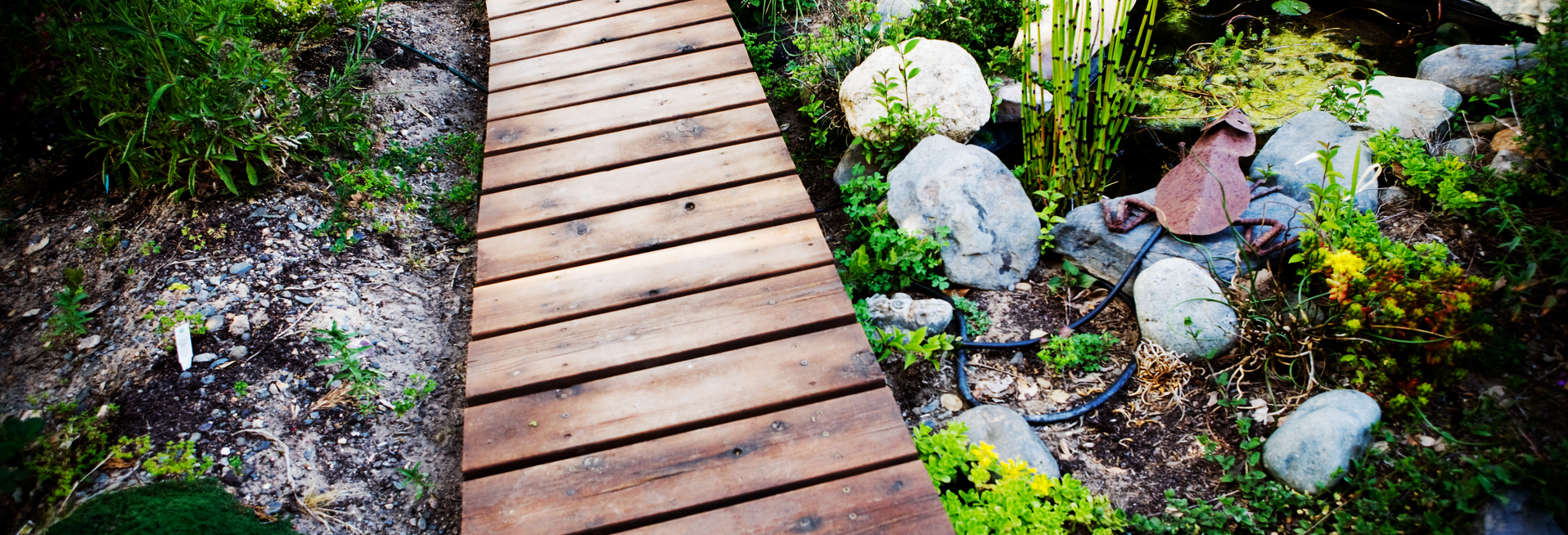
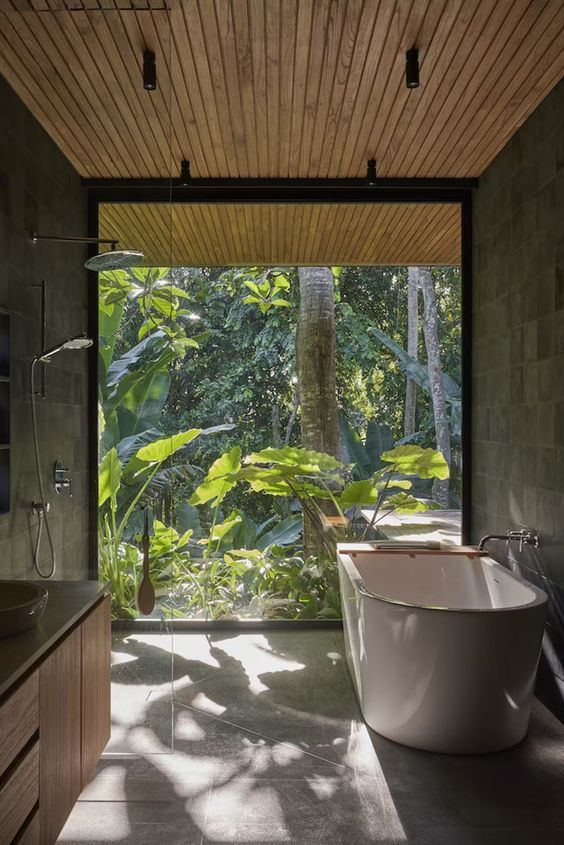
The Science of Biophilic Wellness
At ENO Design, our approach is grounded in both ancient wisdom and modern science. Research consistently demonstrates that biophilic design creates measurable improvements across multiple dimensions of health:
Stress Reduction and Nervous System Regulation
When you're surrounded by natural elements, whether that's actual plants, natural materials like wood and stone, or even views of nature, your autonomic nervous system responds immediately.
Studies show that exposure to nature and natural elements:
- Lowers cortisol (your primary stress hormone) by up to 21%
- Reduces heart rate and blood pressure
- Shifts your nervous system from sympathetic (fight-or-flight) to parasympathetic (rest-and-digest) activation
- Decreases rumination and negative thought patterns
In practical terms? A biophilically designed bedroom helps you actually unwind at night instead of lying awake replaying the day's stressors. A nature-connected living space becomes a true refuge rather than just another room.
Enhanced Sleep Quality
Your body's internal clock, your circadian rhythm, is exquisitely sensitive to light. When we design homes that honor natural light patterns, profound shifts in sleep quality follow.
Biophilic design supports healthy sleep through:
- Morning light exposure that signals wakeful alertness and sets your circadian clock
- Graduated light reduction in evening spaces that prepares your body for rest
- Natural materials that don't off-gas sleep-disrupting chemicals
- Proper bedroom orientation that protects against disruptive light while maximizing beneficial morning sun
- Connection to natural rhythms that help regulate melatonin production
I've worked with clients who struggled with insomnia for years, only to find their sleep normalizing within weeks of redesigning their bedroom with biophilic principles. The bedroom becomes a true sleep sanctuary; not through expensive mattresses or blackout shades alone, but through fundamental alignment with your biology.
Improved Air Quality and Respiratory Health
Indoor air is often 2-5 times more polluted than outdoor air. This isn't abstract data. It's the air you're breathing right now, in your home.
Strategic biophilic design addresses this through:
- Carefully selected plants that actively remove toxins like formaldehyde, benzene, and trichloroethylene from indoor air
- Natural ventilation systems that promote airflow without relying solely on mechanical HVAC
- Non-toxic natural materials (real wood, stone, lime plasters, natural textiles) that don't contribute to indoor air pollution
- Humidity regulation through plants and breathable materials that prevent mold while maintaining comfortable moisture levels
Better air quality means fewer headaches, reduced respiratory irritation, improved immune function, and enhanced cognitive performance. It's foundational wellness that most people don't realize they're missing.
Mental Health and Emotional Wellbeing
The connection between nature exposure and mental health is one of the most robust findings in environmental psychology. Biophilic design brings these benefits into your daily lived experience.
Natural elements in your home environment:
- Reduce symptoms of depression and anxiety by promoting parasympathetic nervous system activation
- Improve mood and emotional regulation through a visual connection to nature
- Decrease negative rumination by providing restorative mental breaks
- Enhance feelings of vitality and aliveness that come from connection to living systems
- Support mindfulness and present-moment awareness by creating sensory richness
In my work with residential clients, I often hear some version of: "I finally feel like I can breathe in my own home." That's not poetic language. It's the felt experience of a nervous system that's been given permission to relax.
Cognitive Function and Focus
Whether you work from home or simply want to think clearly in your personal space, biophilic design directly impacts cognitive performance.
Research demonstrates 6-8% improvements in productivity and focus in biophilically designed spaces, along with:
- Enhanced creativity and problem-solving
- Improved memory consolidation
- Reduced mental fatigue
- Faster cognitive processing
- Better decision-making capacity
For home offices, this means designing spaces that don't just look professional on Zoom calls, but that actually support your brain's ability to do deep, focused work.
Beyond Plants: The Six Elements of Biophilic Wellness at Home
True biophilic design is comprehensive and systematic. Here's how we approach it at ENO Design:
1. Light as Medicine
Natural light isn't just illumination. It's information for your body. We design for:
- Morning east-facing light in bedrooms and breakfast areas to support healthy wake cycles
- Diffused north light for workspaces requiring consistent, non-glare illumination
- Dynamic west and south exposures managed through strategic shading and window treatments
- Evening light reduction through thoughtful space planning and artificial lighting that supports melatonin production
The goal isn't just brightness; it's creating varied light conditions throughout your home that support different activities and times of day.
2. Living Elements That Thrive
Plants aren't decorative accessories. They're living systems that interact with your environment. We select plants based on:
- Your specific light conditions (not aspirational Pinterest images)
- Air-purifying capacity for your particular space challenges
- Maintenance requirements that match your actual lifestyle
- Native or regional species that connect to your local ecosystem
- Sensory qualities such as texture, scent, and movement that enhance your daily experience
A single fiddle-leaf fig struggling in the corner isn't biophilic design. A thoughtfully curated collection of plants that thrive in your conditions and actively improve your air quality is.
3. Natural Materials That Ground
The materials surrounding you communicate directly with your nervous system through texture, thermal properties, and even subtle scent.
We prioritize:
- Real wood over laminate, your body knows the difference
- Natural stone that connects to local geology
- Breathable plasters and paints (lime, clay-based) instead of synthetic finishes
- Natural textiles (linen, wool, cotton, silk) that regulate temperature and feel alive to the touch
- Earth-based flooring that provides a grounding connection
These materials don't just look better; they create healthier indoor environments and satisfy deep sensory needs that synthetic materials cannot.
4. Views and Visual Connection
Every window is an opportunity for wellness. We design for:
- Direct views of nature from primary living spaces
- Layered views that create depth and visual interest
- Seasonal connections that keep you attuned to natural cycles
- Privacy balanced with openness using strategic landscaping rather than blocking views entirely
Even in urban environments, we find ways to create meaningful visual connections to sky, greenery, or water.
5. Natural Patterns and Processes
Your nervous system responds to organic patterns found in nature: fractal geometry, flowing curves, and natural asymmetry. We incorporate these through:
- Organic shapes in furniture and architectural elements
- Natural patterns in textiles and finishes
- Botanical motifs that echo regional plant forms
- Materials that age beautifully and show the passage of time
These subtle elements create unconscious comfort and visual interest that synthetic, geometric designs cannot replicate.
6. Sensory Richness
Wellness comes through all your senses, not just sight. Complete biophilic design includes:
- Sound: water features, wind through plants, natural acoustic properties
- Touch: varied textures of natural materials
- Scent: aromatic plants, natural wood oils, fresh air circulation
- Thermal variation: natural materials that breathe and regulate temperature
- Movement: plants that sway, water that flows, natural ventilation that creates gentle air movement
This multisensory approach creates environments that feel genuinely alive.
Regional Biophilic Design: California and Washington
Authentic biophilic design must respond to place. A home in coastal California and a home in the Pacific Northwest require fundamentally different approaches; not because of style preferences, but because each region has its own relationship with nature.
California Wellness Design
California's climate offers unique biophilic advantages:
Indoor-Outdoor Wellness: Large sliding doors, covered patios, and courtyard designs extend your living space into nature, effectively doubling your home's restorative capacity. Morning coffee on a nature-connected patio becomes a daily wellness ritual rather than a weekend luxury.
Natural Ventilation: California's climate allows for natural airflow most of the year. We design for cross-breezes and stack ventilation that keep air fresh without mechanical systems running constantly.
Drought-Conscious Plant Selection: Native California species (succulents, sage, California poppy, manzanita) thrive with minimal water while creating an authentic connection to the regional landscape. These aren't compromise choices; they're wellness choices that honor your local ecosystem.
Sun Management: Abundant California sunshine requires thoughtful management. We design for generous daylight while protecting against excessive heat through strategic overhangs, high-performance glazing, and deciduous plantings that provide summer shade and winter sun.
Pacific Northwest Wellness Design
Washington's climate creates different opportunities:
Light Maximization: With limited sunlight for much of the year, every ray counts. We design for skylights, light-colored natural materials, and reflective surfaces that make the most of available light while maintaining warmth.
Moisture as Asset: Rather than fighting the rain, we celebrate it through water features, rain gardens visible from interior spaces, and covered outdoor areas where you can experience the weather while staying dry.
Cozy Refuge Spaces: The Northwest climate invites creation of warm, protected spaces with nature views; the biophilic principle of "prospect and refuge" that creates psychological safety while maintaining connection.
Forest Connection: Ferns, moss, and shade-tolerant plants that thrive in humidity bring the vitality of Northwest forests indoors, creating authentic regional character while improving air quality.
The ENO Design Approach: Listening Before Designing
Here's what sets professional biophilic design apart from DIY attempts or surface-level "green" decorating: we listen first.
Every project at ENO Design begins with comprehensive discovery:
Understanding Your Wellness Goals: What specific challenges are you experiencing? Sleep issues? Stress? Difficulty focusing? Seasonal mood changes? We design solutions for your actual needs, not generic ones.
Assessing Your Space: We evaluate natural light patterns throughout the day and across seasons, existing architectural features, opportunities for nature connection, and constraints that need creative solutions.
Analyzing Place: We study your property's relationship to its surrounding ecosystem, local climate patterns, regional plant communities, and available natural materials.
Honoring Your Lifestyle: We design for your real life; your maintenance capacity, how you actually use your spaces, your aesthetic preferences, and your budget realities.
This comprehensive approach ensures that biophilic design doesn't remain theoretical but becomes a lived experience that genuinely improves your daily wellbeing.
From Understanding to Transformation
Knowledge alone won't transform your home; thoughtful implementation will.
If you're experiencing stress that doesn't resolve even when you're "home," sleep challenges despite addressing typical sleep hygiene, difficulty focusing in your workspace, or simply a pervasive sense that something is missing in your environment, your body may be asking for what biophilic design provides: reconnection with the natural patterns and elements you're biologically designed for.
The homes we create at ENO Design aren't magazine spreads (though they often photograph beautifully). They're living environments where nervous systems can regulate, sleep comes naturally, air quality supports health, and daily life unfolds in harmony with your biology rather than against it.
This is what true wellness design looks like, not another product to buy or trend to follow, but a fundamental realignment between your environment and your needs as a living being.
Begin Your Wellness Journey
Your home has the potential to actively support your health rather than merely house you. The question isn't whether biophilic design can improve wellness; the science is clear that it does. The question is: what would it feel like to come home to a space that genuinely nourishes you?
Ready to transform your home into a true wellness sanctuary? Book a comprehensive design consultation where we'll assess your space, discuss your specific wellness goals, and create a customized roadmap for bringing nature's healing power into your daily life.
Want to dive deeper first? Download our free Biophilic Home Design Starter Guide to explore the six core principles of biophilic design and discover practical ways to begin creating wellness-focused spaces today.
Let's partner to create a home where you don't just exist, you thrive.
Elba Ocasio is the founder and CEO of ENO Design, a woman-owned biophilic design firm based in Seattle, Washington. With deep expertise in both residential and commercial biophilic design, Elba serves clients throughout California and the Pacific Northwest, creating sophisticated, nature-inspired spaces informed by environmental psychology, sustainable practices, and the timeless principles of Feng Shui. Her work focuses on designing living environments that actively support health, happiness, and connection to the natural world.